Multiply Green, Multiply Joy: Building a Sustainable Indoor Jungle Together
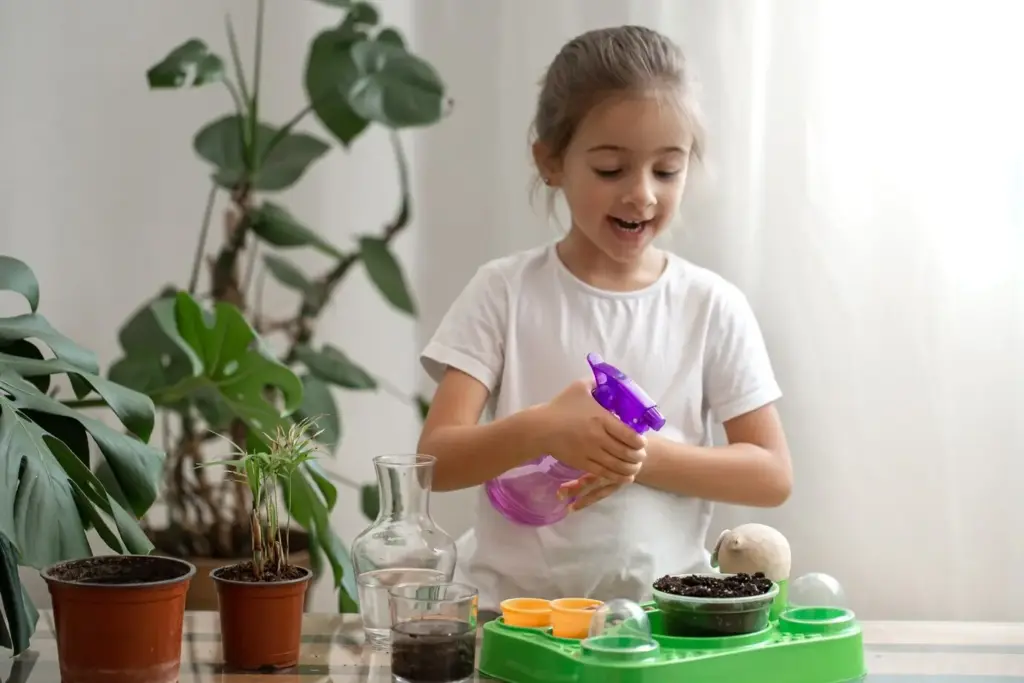
Today we dive into propagation and plant swaps to build a sustainable indoor jungle, celebrating the magic of multiplying plants and sharing abundance with neighbors and friends. Expect practical guidance, encouraging stories, and low-cost methods that reduce waste, strengthen community, and fill your home with life. Grab clean shears, a reusable jar, and a curious heart; by the end, you’ll be ready to root, trade, and grow greener habits together—then subscribe and share your latest rooting victory in the comments.

Start With Purpose And Patience

Before snipping a single node, decide why you want more plants and how sharing can lighten your footprint. Propagation stretches budgets, swaps deepen friendships, and slower growth prevents clutter. We’ll center resilient species, mindful timelines, and repeatable routines so your collection expands intentionally, joyfully, and sustainably over months, not minutes.

Techniques That Multiply Life

Stem Cuttings That Root Reliably

Identify a healthy node with a leaf and, ideally, an aerial root nub. Sterilize blades, cut below the node, then choose water jars for visibility or airy mixes for sturdier starts. Provide bright indirect light, moderate heat, and patient observation while new roots branch confidently before potting.

Division, Offsets, And Rhizomes

Identify a healthy node with a leaf and, ideally, an aerial root nub. Sterilize blades, cut below the node, then choose water jars for visibility or airy mixes for sturdier starts. Provide bright indirect light, moderate heat, and patient observation while new roots branch confidently before potting.

Air Layering For Difficult Keepers

Identify a healthy node with a leaf and, ideally, an aerial root nub. Sterilize blades, cut below the node, then choose water jars for visibility or airy mixes for sturdier starts. Provide bright indirect light, moderate heat, and patient observation while new roots branch confidently before potting.

Smart Tools, Media, And Setups

Preparation amplifies success. Keep shears sharp, sanitize with 70% alcohol, and label everything. Experiment with perlite cups, LECA reservoirs, and long-fiber sphagnum. Use clear containers for monitoring and breathable domes for humidity, plus gentle airflow and efficient LEDs to balance vigor with energy savings throughout changing seasons.

Clean, Sharp, And Labeled

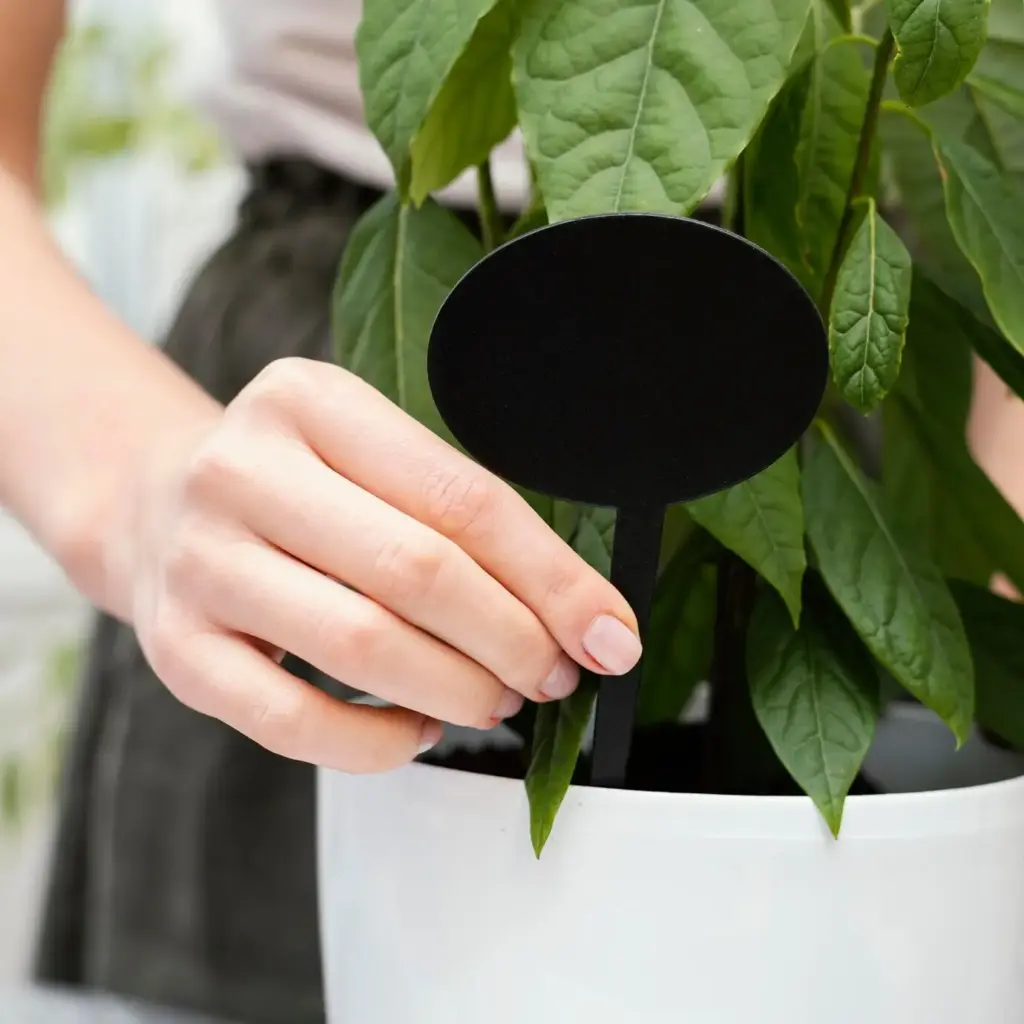
Bundle tools in a caddy so sessions start quickly and end tidily. Disinfect between plants to prevent pathogen spread. Date tags, note parent sources, and track locations. Clear labeling reduces mix-ups at swaps, preserves lineage stories, and helps partners replicate your care conditions after trades conclude.

Media That Match The Method

Pair techniques with substrates that support your schedule. Perlite wicks moisture without suffocation; water rooting simplifies checks; semi-hydro with LECA stabilizes hydration. Blend coco, bark, and pumice for a resilient potting mix. Choose consistency over novelty, dialing moisture and oxygen rather than chasing every viral trick.

Plant Swaps That Build Community

Find Or Host Inclusive Gatherings

Start with a simple table, sign-up sheet, and labels. Encourage accessibility with sliding-scale contributions and clear public transit directions. Offer beginner bundles and care cards. Invite neighbors, schools, and community centers. Document outcomes, collect feedback, and plan seasonal repeats so newcomers feel welcome and regulars keep returning.

Etiquette That Makes Trading Joyful

Share honest histories: pests treated, mutations, and stability of variegation. Trade fairly by size, rarity, or effort, and embrace generosity when abundance allows. Respect limits, avoid crowding tables, and offer thanks. Mutual kindness sustains momentum, ensuring people return eager to contribute, learn, and celebrate collective growth.

Documentation That Follows Every Cutting

Attach cards listing plant name, origin, propagation date, and care notes. Include your contact handle for follow-up questions and success photos. Documentation empowers beginners, preserves provenance for rare cultivars, and turns each trade into an invitation to continue learning together long after the event ends.

Biosecurity, Pests, And Problem-Solving

Hold newcomers separate for two to four weeks, ideally in a different room with dedicated tools. Inspect leaves, nodes, and soil weekly. Avoid shared water reservoirs. Use yellow cards for gnats and white paper tests for thrips. Patience now averts headaches, saving time, money, and friendships later.
Differentiate edema from fungal spots, nutrient hunger from light stress, and root rot from transplant sulk. Confirm with magnification, smell, and gentle probing. Start with isolation, pruning, and environmental tweaks. If treatment is needed, follow labels precisely, rotate modes of action, and protect beneficial insects when possible.
Maintain a simple spreadsheet or notebook tracking sources, dates, mediums, and outcomes. Record pests spotted, remedies tried, and costs avoided through propagation or swapping. Patterns emerge quickly, revealing which techniques thrive in your conditions and which plants suit your lifestyle, lighting, and available maintenance time.

Layering That Looks Natural

Stage canopy climbers, midsize shrubs, and trailing understory to mimic forest structure. Stack textures and greens, adding variegation sparingly as accents. Elevate cascading pothos, intersperse compact peperomia, and let tradescantia soften edges. Thoughtful layers create depth, dampen echoes, and maximize small spaces without overspending or overwatering.

Light Mapping Guides Placement

Use a phone lux app or simple photosensitive notes to chart morning beams and afternoon shade. Place sun-lovers back from hot windows, cluster ferns in humid corners, and rotate accordingly. Reflective surfaces, sheer curtains, and timers stretch resources, sustaining vigorous growth while preserving energy and attention.
Mezozokemepizaxeki
Privacy Overview

This website uses cookies so that we can provide you with the best user experience possible. Cookie information is stored in your browser and performs functions such as recognising you when you return to our website and helping our team to understand which sections of the website you find most interesting and useful.