Greener Leaves, Lighter Footprint

Welcome! Today we delve into Zero-Waste Houseplant Care, turning everyday leftovers and creative reuse into thriving indoor greenery. Expect practical methods, science-backed tips, and warm stories that reduce trash, save money, and deepen connection with your plants. Share your own clever hacks and join this growing, resourceful community.

Rooted in Circular Habits

Build a gentle, circular routine that treats every material as potential value, not destined waste. From repurposed containers to compost-powered nutrition, these approaches help indoor plants flourish while your bin stays light, your budget stretches further, and your home tells a mindful, imaginative story.

Repurposed Pots and Creative Containers

Chipped bowls, tins, and tea canisters gain second lives as charming cachepots when paired with inner nursery pots for drainage. My first snake plant settled into a cracked mixing bowl and looked gallery-worthy. Keep airflow, avoid lead-painted antiques, and use saucers to catch excess water neatly.

From Kitchen Scraps to Plant Fuel

Start a compact worm bin or bokashi bucket to transform coffee grounds, vegetable peels, and paper scraps into nutrient-rich castings that improve structure and moisture retention. Skip salty leftovers and oily residues. Mature compost, sifted and gently blended, reliably nourishes roots without questionable quick fixes or messy myths.

Water Wisdom Without Waste

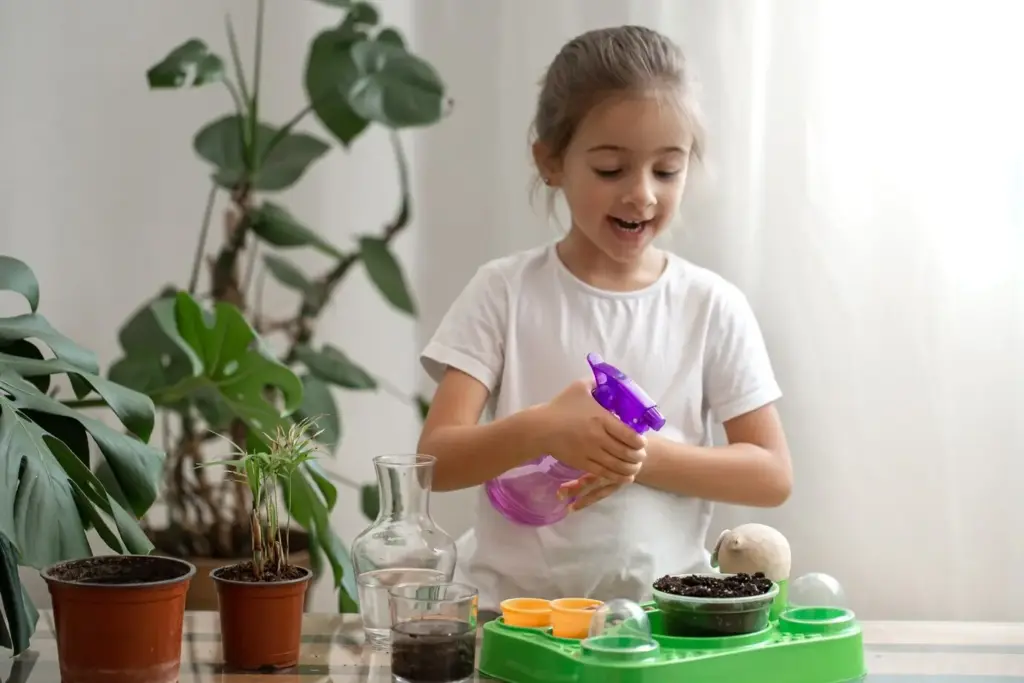
Give each plant the right sip at the right moment while reusing safe sources. Capture rain, reserve unfinished drinking water, and let saucers help roots absorb from below. With thoughtful timing and observation, you avoid rot, conserve resources, and keep foliage fresh, resilient, and remarkably vibrant.

Closed-Loop Watering

Bottom watering in trays and gentle wicking systems reduce runoff and target roots efficiently, especially for African violets and thirsty calatheas. Empty standing water after absorption to prevent fungus gnats. Reuse clean catchment trays, and track timing so every refill is purposeful, measured, and genuinely supportive of plant health.

Smart Monitoring

Use the finger test, plant weight, or a simple moisture meter to avoid guesswork and overwatering waste. Note how terracotta dries faster than glazed ceramics. Create a humble log in your phone or notebook to observe patterns, adjust intervals, and steadily reduce emergencies, frustration, and unnecessary resource use.

Reuse Streams, Wisely

Freshwater aquarium change-out, unsalted pasta water once cooled, and collected rain can nourish containers with gentle minerals. Avoid soapy or softened water, and be cautious with dehumidifier condensate on sensitive species. When in doubt, dilute, test on one plant, and watch leaves respond before scaling the practice.

Soil Mixes That Respect Resources

Design mixes that drain well, breathe freely, and reuse responsibly. Refresh tired substrates with sifted compost and structural ingredients instead of discarding. Choose peat-free components when possible, and tailor textures for roots that crave air, moisture balance, and a sustainable, long-lived home they can truly trust.

Propagation That Multiplies Joy, Not Waste

Grow your collection by sharing, swapping, and dividing rather than buying new. Cuttings placed in water or airy mixes root beautifully with patience. Reuse jars, tags, and trays, label clearly, and celebrate each new leaf as proof that abundance thrives without extra packaging or cost.

Natural Care, Low-Impact Protection

Support plant resilience through observation and gentle intervention. Start with cleanliness, airflow, and quarantine, then consider targeted solutions. Prioritize soap-based sprays, physical removal, and biological allies before stronger measures. These steady, evidence-informed steps protect leaves, budgets, and ecosystems while keeping cupboards uncluttered and routines refreshingly simple.

Light Mapping With Simple Tools

Use your phone’s compass and a sheet of paper for shadow tests that hint at intensity, then log results for morning, midday, and seasonal shifts. Observe how a bookshelf’s second shelf differs from the top. Thoughtful placement reduces wasted effort, stretching time and energy for everything else.

Seasonal Adjustments, Efficiently

Short winter days call for modest, efficient LED support rather than dramatic watering changes. Group plants for shared humidity using pebble trays, ventilate gently, and dust leaves to improve photosynthesis. These tiny rituals save resources, prevent problems, and keep growth steady without frantic, gear-heavy overhauls each month.

Share, Learn, and Celebrate Together

Comment with your favorite reuse idea, subscribe for monthly zero-waste experiments, and tag us when your propagated gifts find new homes. Your stories turn guidelines into living practice, inspiring neighbors worldwide to nurture healthy greenery while sending less to the bin and more love to roots.
Mezozokemepizaxeki
Privacy Overview

This website uses cookies so that we can provide you with the best user experience possible. Cookie information is stored in your browser and performs functions such as recognising you when you return to our website and helping our team to understand which sections of the website you find most interesting and useful.