Give New Life to Everyday Objects

Step into a creative journey where neglected jars, tins, and vintage finds become thriving homes for houseplants. Today we spotlight upcycled planters and reused containers for indoor plants, sharing practical prep steps, smart plant pairings, and styling ideas that reduce waste without sacrificing beauty. Expect honest tips, small victories, and real mishaps, plus community inspiration. Share your experiments, ask questions, and subscribe for fresh ideas that keep your greenery—and your imagination—growing.

Kitchen Castoffs with Hidden Potential

Rinse glass jars free of labels with warm water and a little baking soda, then test each lidless vessel for stability. Shallow, wide shapes suit succulents or propagation projects. Transparent sides help you monitor moisture and roots, making learning easier for beginners and encouraging patient, thoughtful care.

Thrifted Treasures and Curbside Surprises

Secondhand markets reward patience. Look for enamelware without deep rust, baskets with intact weaves, and ceramics without lead-based glazes. If uncertain, add a plastic nursery pot or liner as a barrier. Document your thrifting journey; stories behind containers make plant corners feel personal, memorable, and wonderfully grounded.

Choosing Shapes That Plants Can Actually Use

Novelty shapes can be fun, but roots need real room. Prioritize openings wide enough for your hand, walls that do not pinch growth, and proportions that won’t topple easily. Sketch possible layouts, checking height, depth, and weight so daily watering remains safe and comfortable.

Preparation that Protects Roots

Thoughtful prep turns a clever idea into a healthy plant home. Clean residues, neutralize odors, and seal porous or reactive surfaces to prevent moisture damage. When possible, add drainage holes with appropriate bits and safety gear, or create layered alternatives. Measure twice, drill once, and keep surfaces steady. Share your safety tips in the comments to help new makers work confidently and avoid preventable mishaps.

Pairing Containers and Plants Like a Pro

Match plant habits to vessel shape, depth, and material. Fast-draining setups favor desert plants, while moisture-retentive designs support ferns and peperomias. Consider light color to reduce heat, and weight to prevent tipping. Keep maintenance honest: a beautiful display that fits your routine will always thrive longer.

Design that Tells a Story

Let your collection reflect your life. Group pieces by material, memory, or color, and create rhythm with repeated heights and textures. Mix industrial metal with soft foliage and warm wood for contrast. Photograph progress, share on social, and invite feedback that sparks new arrangements and friendships.

Sustainability You Can Measure

Extending product life reduces landfill load, conserves the energy required to manufacture new goods, and lowers demand for virgin materials. Reusing also builds attachment, which encourages longer care cycles for plants and objects. Track how many containers you divert monthly, and celebrate milestones with our community challenges.

01

Small Choices, Big Ripple Effects

A single jar kept in service saves packaging from disposal and reduces the need for a newly produced pot. Multiply that by seasons and friends inspired by your shelf, and the environmental benefit grows quietly, beautifully, and meaningfully in everyday rooms.

02

Mindful Materials and Safer Choices

Prefer glass, stainless steel, or high-fired ceramics when in doubt about coatings. If using older painted pieces, add a barrier pot to avoid contact with unknown finishes. Share cautionary tales and successes, helping others make informed decisions without fear or confusion.

03

Repair, Refresh, and Reuse Again

Cracked handles, scuffs, and faded paint are invitations, not deal-breakers. Patch with epoxy, sand lightly, repaint with low-VOC finishes, and seal. Each repair prevents replacement, saves money, and teaches skills you can pass forward in workshops, swaps, and supportive online groups.

DIY Upgrades for Durability and Charm

Simple tweaks elevate function and beauty. Add felt feet to protect furniture, cork coasters to catch drips, and braided handles for easier moves. Stencil patterns that echo leaf veins, or chalk-label care notes. Share before-and-after photos; your process may spark someone’s very first experiment.

Paint and Patina, Thoughtfully Applied

Use primer on slick surfaces, then layer color washes for depth. Mask rims to keep edges clean, and distress sparingly where hands would naturally touch. Finish with a protective topcoat, allowing full cure time before planting to safeguard roots from lingering solvents.

Hardware Hacks and Comfortable Handling

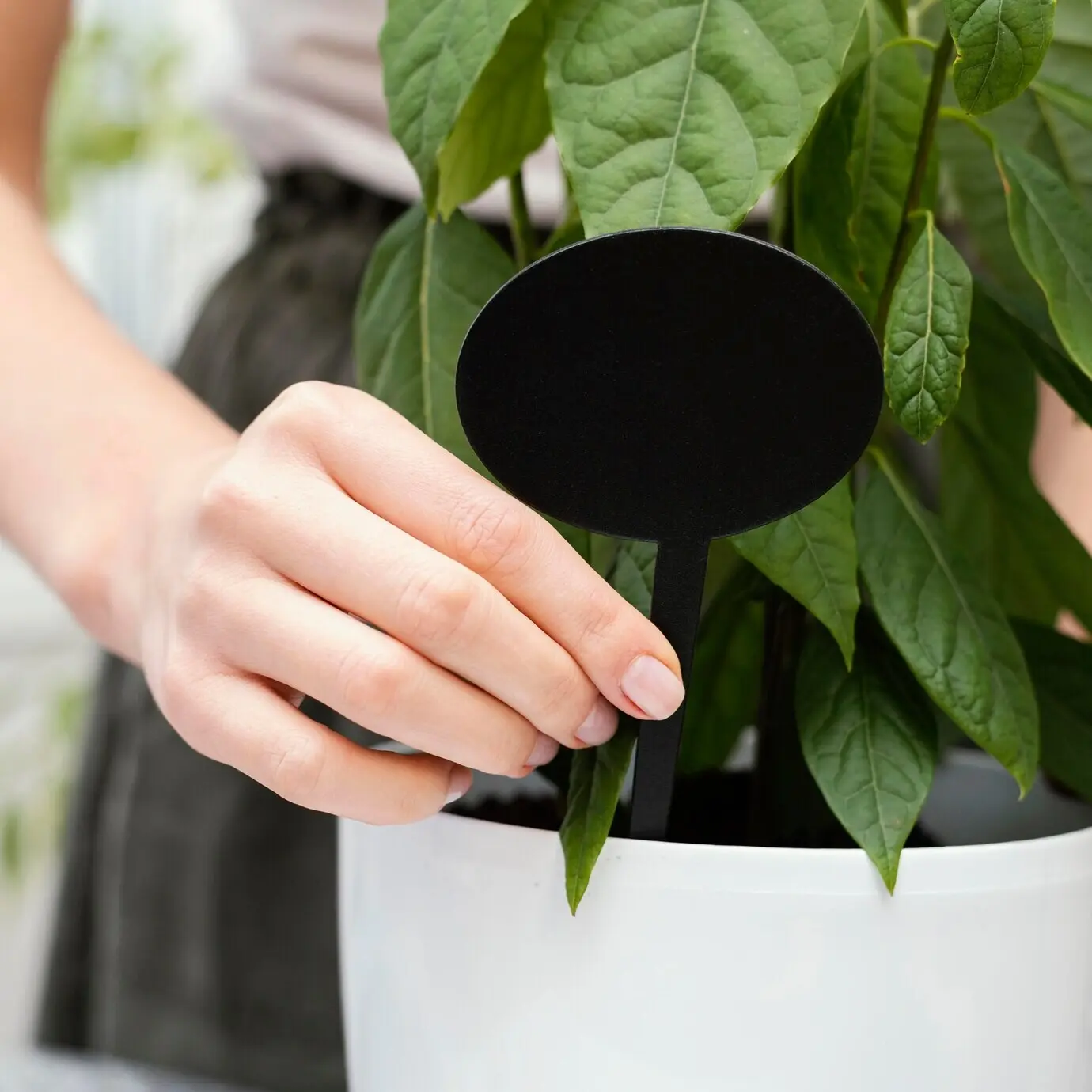
Screw D-rings or cabinet pulls into wooden boxes to create safe grips. Add lightweight casters to heavy crates for easy cleaning days. Magnetic labels or aluminum tags track plant names and watering dates, turning maintenance into a friendly habit rather than a chore.

Hanging Kits and Weight Distribution

Pair ceiling anchors with appropriate toggles, and always locate joists before loading weight. Use chain or marine rope for reliability, and test with a bag of books first. Document your setup to guide others, and keep plants safely aloft above busy walkways.

Care and Maintenance in Unconventional Homes
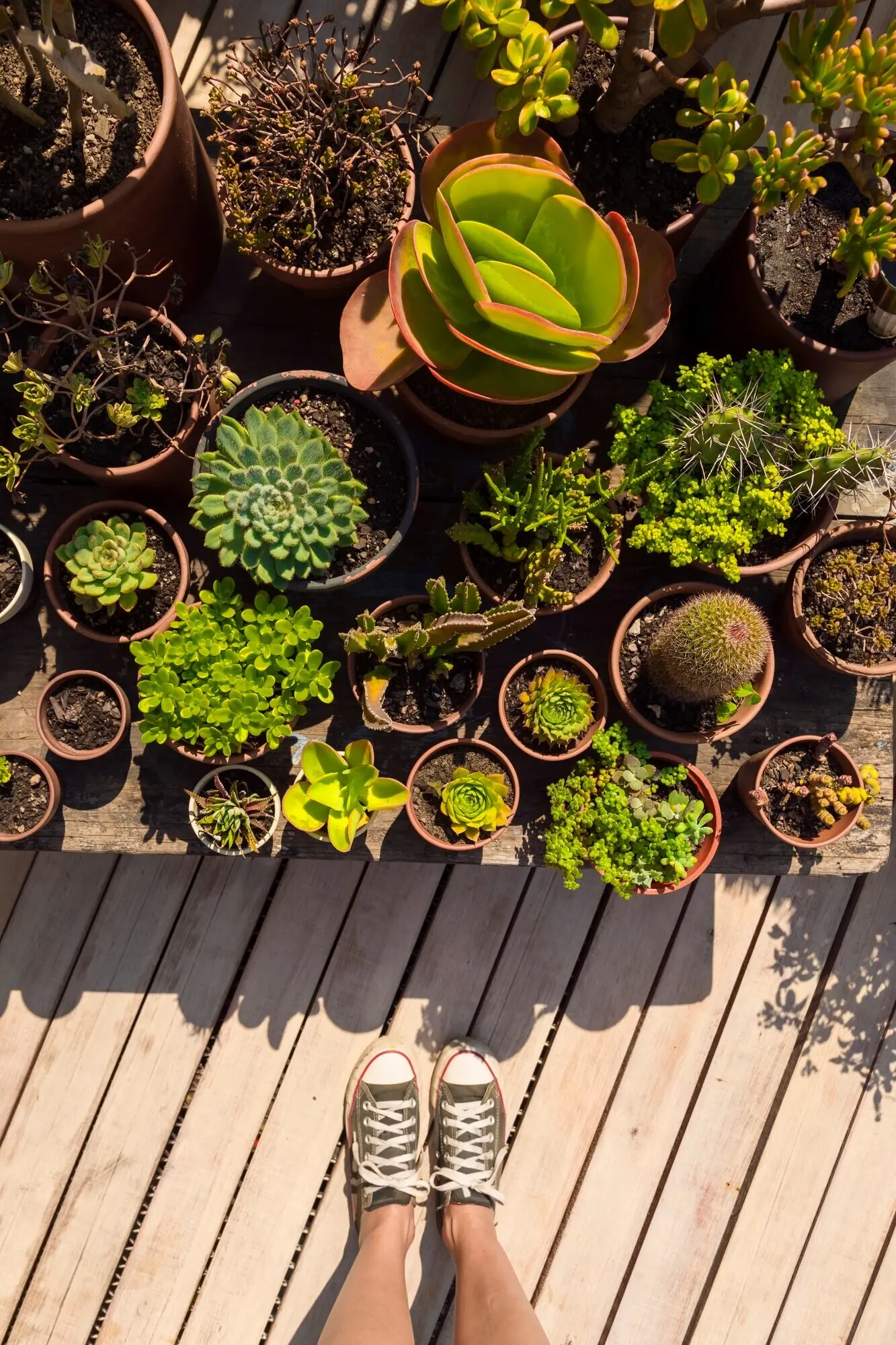
Watering, light, and airflow behave differently in repurposed vessels. Track moisture weekly, angle light to avoid hot spots, and dust leaves to keep photosynthesis strong. Use cachepot techniques to lift inner pots for airflow. Share routines; dependable habits make creative containers genuinely sustainable.
Mezozokemepizaxeki
Privacy Overview

This website uses cookies so that we can provide you with the best user experience possible. Cookie information is stored in your browser and performs functions such as recognising you when you return to our website and helping our team to understand which sections of the website you find most interesting and useful.